
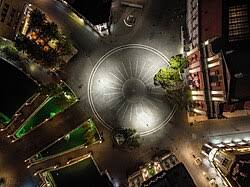
Маријин Трг, often referred to as Mariin Square in English, is a historic and culturally significant location in the heart of many Slavic cities, serving as a center for political, social, and cultural activities over centuries. Its importance is reflected in its architectural heritage, public gatherings, and the role it has played in shaping civic life. From hosting governmental institutions to becoming a focal point for public demonstrations, cultural events, and everyday social interactions, Маријин Трг embodies the spirit of the communities surrounding it. This article explores the historical background of Маријин Трг, its architectural significance, cultural relevance, political importance, tourism value, and its evolving role in modern urban life. By examining these aspects, we can appreciate how Маријин Трг continues to influence social and cultural dynamics in contemporary society.
Historical Background
Маријин Трг has a rich history that dates back several centuries, serving as a key urban space for trade, governance, and social gatherings. Its establishment often coincided with the expansion of cities and the centralization of administrative functions. Throughout history, the square has witnessed important political events, including public proclamations, civic ceremonies, and revolutionary movements. The evolution of Маријин Трг reflects broader historical changes, such as shifts in political regimes, urban planning philosophies, and societal priorities. Its historical significance lies not only in the events that occurred there but also in its enduring role as a hub for public life, embodying the resilience and continuity of urban culture.
Architectural Significance
The architectural features of Маријин Трг are a testament to the diverse influences that have shaped the region over time. Surrounding buildings often display a mix of classical, baroque, and modernist styles, reflecting periods of political and cultural transformation. Monuments, statues, and public installations add symbolic and aesthetic value, creating a visual narrative of the city’s history. The square itself is designed to accommodate large gatherings, with open spaces, pedestrian-friendly areas, and access to key municipal buildings. Architectural conservation efforts have maintained the historical integrity of Маријин Трг, ensuring that it remains a living testament to the city’s urban and cultural heritage.
Cultural and Social Relevance
Маријин Трг serves as more than just a physical space; it is a cultural and social hub where people come together for festivals, concerts, exhibitions, and public celebrations. Cultural events held in the square reflect the traditions, values, and artistic expressions of the local community. Social interactions in Маријин Трг, from casual gatherings to organized civic activities, foster a sense of community and belonging. By providing a shared space for diverse activities, the square contributes to cultural continuity, civic engagement, and social cohesion, making it a vibrant center of urban life.
Political Importance
Throughout its history, Маријин Трг has played a pivotal role in political life. Government buildings and administrative offices surrounding the square highlight its centrality in governance and decision-making processes. The square has hosted public protests, rallies, and political events, serving as a platform for citizens to voice their opinions and influence policy. Its symbolic significance as a site of civic expression underscores the importance of public spaces in democratic participation and social discourse. The ongoing use of Маријин Трг for political and governmental functions illustrates how public spaces can shape and reflect societal power dynamics.
Tourism and Economic Impact
Маријин Трг attracts tourists due to its historical, architectural, and cultural significance. Visitors are drawn to its monuments, nearby museums, cafes, and cultural institutions, which collectively offer a rich urban experience. Tourism contributes to the local economy, supporting businesses, hospitality services, and cultural enterprises. Guided tours, cultural festivals, and public exhibitions in the square enhance its appeal as a destination for both domestic and international tourists. The economic vitality generated by tourism underscores the importance of maintaining and promoting Маријин Трг as a heritage site and a modern urban attraction.
Modern Urban Role
In contemporary urban planning, Маријин Трг continues to serve as a multifunctional space accommodating public, administrative, and recreational needs. Modern interventions, such as pedestrian-friendly designs, lighting, and event facilities, ensure that the square remains relevant to today’s urban lifestyle. Balancing historical preservation with modern functionality has allowed Маријин Трг to retain its heritage while evolving as a vibrant civic center. It continues to facilitate public life, offering spaces for leisure, interaction, civic engagement, and cultural expression, demonstrating how historical landmarks can adapt to modern urban needs.
Challenges and Preservation
Maintaining Маријин Трг involves addressing challenges related to urban development, environmental sustainability, and preservation of historical integrity. Increasing urbanization, traffic, and commercial pressures can threaten the square’s cultural and architectural heritage. Effective management requires policies that prioritize conservation, regulate public and private activities, and integrate sustainable urban planning. By protecting Маријин Трг’s historical and cultural assets, cities ensure that future generations can experience its significance while enjoying a functional and accessible public space.
Conclusion: The Enduring Legacy of Маријин Трг
Маријин Трг is more than a square; it is a symbol of history, culture, and civic life. Its architectural beauty, historical significance, social relevance, and political centrality make it an essential part of the urban fabric. By balancing preservation with modernization, the square continues to serve as a hub for public engagement, cultural celebration, and tourism. The enduring legacy of Маријин Трг lies in its ability to connect the past with the present, providing a dynamic space that reflects the identity, resilience, and creativity of the communities it serves.
Frequently Asked Questions (FAQ)
What is Маријин Трг?
Маријин Трг is a historic and cultural square known for its architectural landmarks, political significance, and role as a social and cultural hub.
Where is Маријин Трг located?
It is located in the heart of major Slavic cities, often serving as a central point for governance, culture, and public life.
Why is Маријин Трг historically important?
The square has hosted significant political, social, and cultural events over centuries, reflecting the city’s history and civic life.
What can visitors do at Маријин Трг?
Visitors can explore monuments, attend cultural events, enjoy nearby cafes and museums, and participate in public gatherings.
How is Маријин Трг preserved?
Preservation involves urban planning policies, conservation efforts, sustainable development, and careful management of public and private activities around the square.
