
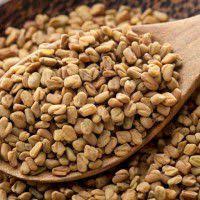
Foenegriek, commonly known as fenugreek, is an herb with a long history of use in culinary, medicinal, and agricultural contexts. Its seeds, leaves, and extracts have been valued for their distinct aroma, nutritional properties, and therapeutic benefits for centuries. Originating in the Mediterranean, Middle East, and South Asia, Foenegriek has spread worldwide due to its versatility and health-promoting attributes.
Foenegriek is especially known for its rich content of fiber, protein, vitamins, and minerals, making it a valuable addition to diets and herbal remedies. Beyond its culinary applications in dishes such as curries, sauces, and bread, Foenegriek has also been recognized in traditional medicine systems like Ayurveda for supporting digestion, metabolic health, and lactation. Modern research continues to explore its role in blood sugar regulation, hormonal balance, and cardiovascular health.
This article will provide an in-depth exploration of Foenegriek, including its botanical properties, historical significance, health benefits, culinary uses, potential side effects, and future applications. By understanding the full scope of Foenegriek, readers can appreciate its value not only as a spice but also as a functional herb with wide-ranging applications.
1. Botanical Overview and Composition of Foenegriek
Foenegriek (Trigonella foenum-graecum) is a leguminous plant that produces small, yellowish-brown seeds and delicate green leaves. The plant typically grows to a height of 60–90 cm and is known for its unique aroma reminiscent of maple syrup. The seeds are particularly prized for their flavor, nutritional content, and medicinal properties.
Chemically, Foenegriek seeds contain saponins, alkaloids, flavonoids, and fiber, along with essential vitamins such as vitamin B6, folic acid, and minerals like iron, magnesium, and manganese. The seeds also contain trigonelline, a compound associated with potential blood sugar-regulating effects, and diosgenin, a steroidal saponin linked to hormonal support. The composition of Foenegriek explains its versatility as both a culinary spice and a functional herb, bridging traditional use and modern nutritional science.
2. Historical Significance and Traditional Uses
Foenegriek has a rich history spanning over 4,000 years, with evidence of its cultivation in ancient Egypt, Greece, and India. In ancient Egypt, the seeds were used both as a food additive and in embalming rituals, reflecting their cultural and practical significance. Greek and Roman societies valued Foenegriek for its aromatic and medicinal properties, incorporating it into culinary dishes and herbal remedies.
In traditional Indian and Middle Eastern medicine, Foenegriek has been employed to support digestion, stimulate appetite, and enhance lactation in breastfeeding women. Its seeds and leaves were often combined with other herbs to create tonics and pastes for general wellness. The enduring use of Foenegriek in diverse cultures highlights its adaptability, efficacy, and significance across time and regions.
3. Culinary Applications of Foenegriek
Foenegriek’s distinctive flavor and aroma make it a popular spice in global cuisines. The seeds can be roasted and ground into powders, added to curries, soups, stews, or bread. They provide a slightly bitter, nutty taste that complements other spices such as cumin, coriander, and turmeric.
Foenegriek leaves, also known as methi, are used as fresh or dried herbs in dishes like parathas, vegetable stir-fries, and lentil stews. These leaves not only enhance flavor but also add nutritional value, providing protein, iron, and fiber. Foenegriek is also used in pickling and as a seasoning in spice blends like Garam Masala, showcasing its versatility and importance in flavoring foods while offering health benefits.
Additionally, Foenegriek seeds can be soaked or sprouted to create nutritious additions to salads and sandwiches, highlighting their use as functional foods that promote digestion and overall wellness.
4. Health Benefits of Foenegriek
Foenegriek offers a wide array of health benefits, supported by both traditional wisdom and modern scientific research. Key benefits include:
4.1 Blood Sugar Regulation
Research suggests that Foenegriek seeds may help regulate blood glucose levels, making them beneficial for individuals with diabetes. Compounds like trigonelline and soluble fiber contribute to slower carbohydrate absorption and improved insulin sensitivity.
4.2 Hormonal Support and Lactation
Foenegriek has historically been used to enhance milk production in breastfeeding women. Studies indicate that its phytoestrogen content and steroidal saponins can support hormonal balance and lactation.
4.3 Digestive Health
Foenegriek is rich in soluble fiber, which can improve digestion, relieve constipation, and support gut health. Its seeds and leaves can stimulate appetite and aid in nutrient absorption.
4.4 Cardiovascular Benefits
Regular consumption of Foenegriek may help lower cholesterol levels, reduce triglycerides, and support heart health. The seeds’ antioxidant properties contribute to reduced oxidative stress and improved lipid metabolism.
4.5 Anti-Inflammatory and Antioxidant Properties
Foenegriek contains flavonoids and polyphenols that exhibit anti-inflammatory and antioxidant effects. These compounds may reduce inflammation and protect cells from oxidative damage, supporting overall wellness and immune function.
5. Potential Side Effects and Precautions
While Foenegriek is generally safe for most individuals, excessive consumption may lead to digestive discomfort, diarrhea, or flatulence due to its high fiber content. Allergic reactions are rare but possible, particularly in individuals sensitive to legumes.
Pregnant women should consult healthcare providers before consuming large amounts of Foenegriek, as its hormonal effects may influence pregnancy outcomes. Additionally, Foenegriek can interact with certain medications, including blood sugar-lowering drugs, necessitating careful monitoring in individuals with diabetes.
Overall, moderate use of Foenegriek as a spice, supplement, or herbal remedy is considered safe and beneficial for most adults.
6. Foenegriek in Modern Medicine and Supplements
In recent years, Foenegriek has gained attention in nutraceuticals and dietary supplements due to its health-promoting properties. Extracts standardized for saponins, trigonelline, and fiber are marketed as support for blood sugar management, weight loss, and hormonal balance.
Researchers continue to explore Foenegriek’s role in metabolic syndrome, cardiovascular health, and immune support. Clinical studies suggest that daily supplementation with Foenegriek seeds or extracts may contribute to improved glucose control, reduced cholesterol, and enhanced overall wellness, supporting its use as a functional food and herbal supplement.
7. Agricultural and Environmental Applications
Foenegriek is also valuable in agriculture due to its nitrogen-fixing properties, which enhance soil fertility and reduce the need for synthetic fertilizers. Farmers often cultivate Foenegriek as a rotation crop to improve soil quality, support sustainable agriculture, and promote ecological balance.
Its adaptability to various climates, drought tolerance, and relatively low maintenance requirements make it a suitable crop in arid and semi-arid regions. In addition to its nutritional and medicinal benefits, Foenegriek contributes to environmental sustainability and agricultural resilience.
8. How to Incorporate Foenegriek into Your Diet
Foenegriek can be integrated into daily diets in multiple ways:
-
Spice Blends: Add roasted or ground seeds to curries, soups, and stews.
-
Herbal Tea: Steep seeds in hot water to make a soothing, digestion-supporting tea.
-
Salads and Sprouts: Sprout seeds for nutrient-dense salads and sandwiches.
-
Baking and Cooking: Incorporate seeds or leaves into bread, flatbreads, and savory pastries.
By gradually introducing Foenegriek into meals, individuals can enjoy its flavor, aroma, and health benefits without experiencing digestive discomfort.
9. Future Prospects and Research Directions
Ongoing research is exploring Foenegriek’s potential in diabetes management, metabolic syndrome, and cardiovascular health. Scientists are also investigating its bioactive compounds for potential anticancer, anti-inflammatory, and neuroprotective effects.
With increasing interest in functional foods, herbal supplements, and sustainable agriculture, Foenegriek’s global relevance is expected to grow. Innovations in extraction techniques, product formulation, and clinical applications may further expand its role in modern nutrition and healthcare.
Frequently Asked Questions (FAQ)
Q1: What is Foenegriek?
Foenegriek, or fenugreek, is a plant whose seeds and leaves are used as a spice, herbal remedy, and nutritional supplement.
Q2: What are the health benefits of Foenegriek?
Foenegriek supports blood sugar regulation, lactation, digestion, cardiovascular health, and exhibits antioxidant and anti-inflammatory properties.
Q3: Can Foenegriek be used in cooking?
Yes. Its seeds and leaves can flavor curries, soups, stews, bread, and salads. Sprouted seeds and herbal teas are also popular.
Q4: Are there any side effects?
Moderate use is generally safe. Excessive consumption may cause digestive discomfort. People with allergies or on blood sugar medications should consult a healthcare provider.
Q5: How is Foenegriek cultivated?
It is a leguminous plant that fixes nitrogen in the soil. It grows well in semi-arid regions, requires minimal water, and is often used as a rotation crop for soil enrichment.
Conclusion
Foenegriek is a remarkable herb that bridges culinary, medicinal, and agricultural applications. Its seeds and leaves offer distinctive flavor, nutritional value, and therapeutic properties, making it an indispensable component of traditional and modern diets.
With proven benefits in blood sugar management, lactation support, digestion, cardiovascular health, and antioxidant activity, Foenegriek has earned its place as both a spice and a functional herb. Its applications extend beyond the kitchen to dietary supplements, herbal remedies, and sustainable agriculture, reflecting its versatility and global importance.
Incorporating Foenegriek into daily routines, whether through cooking, herbal teas, or supplementation, allows individuals to enjoy its rich history, health benefits, and ecological contributions. As research continues to uncover new properties and applications, Foenegriek is poised to remain a valuable resource for nutrition, wellness, and sustainable living.
