
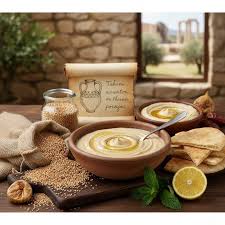
Tahhiini, more commonly spelled tahini, is a rich, creamy paste made from ground sesame seeds. Renowned for its distinct nutty flavor, tahhiini has been a staple ingredient in Middle Eastern, Mediterranean, and North African cuisines for centuries. Beyond its culinary appeal, tahhiini is celebrated for its nutritional benefits, including its high protein content, essential fatty acids, and vital minerals such as calcium, magnesium, and iron.
Tahhiini’s versatility extends far beyond its traditional use in recipes like hummus, baba ghanoush, and halva. It is increasingly recognized as a functional food that can contribute to heart health, bone strength, and digestive wellness. The preparation of tahhiini involves roasting or lightly toasting sesame seeds, grinding them into a smooth paste, and occasionally adding oil to achieve the desired consistency. This simple yet transformative process allows tahhiini to serve both as a flavor enhancer and as a nutrient-dense component in everyday meals.
This article provides a comprehensive exploration of tahhiini, examining its historical roots, preparation methods, culinary applications, nutritional profile, health benefits, storage tips, potential side effects, and emerging trends. By understanding the full scope of tahhiini, readers can appreciate its value as both a traditional food and a modern superfood.
1. The Origins and History of Tahhiini
Tahhiini traces its origins back thousands of years, with evidence of sesame cultivation dating to ancient Mesopotamia and Egypt. The seeds were initially valued for their oil content and preservative properties, but over time, they were ground into pastes that became the precursor to modern tahhiini. Ancient texts and culinary records suggest that tahhiini was widely used as a source of nutrition and flavor enhancement in regions where sesame was readily available.
In the Mediterranean and Middle Eastern regions, tahhiini became integral to local cuisines, particularly in Levantine dishes like hummus and halva. The spread of tahhiini to North Africa, Europe, and Asia was facilitated by trade routes, allowing this humble sesame paste to gain global recognition. Its enduring popularity is a testament to its rich taste, adaptability, and nutritional density, which have made it a staple for both traditional and contemporary diets.
2. Nutritional Profile of Tahhiini
Tahhiini is highly nutritious, offering a dense source of protein, healthy fats, vitamins, and minerals. A typical serving of tahhiini (approximately two tablespoons) provides:
-
Protein: Supports muscle development, repair, and overall metabolic health.
-
Healthy Fats: Primarily unsaturated fats that promote heart health and aid in nutrient absorption.
-
Calcium: Essential for strong bones and teeth.
-
Magnesium and Iron: Critical for energy production, oxygen transport, and metabolic functions.
-
B Vitamins: Including B1 (thiamine), B2 (riboflavin), and B3 (niacin), which contribute to neurological function and energy metabolism.
Tahhiini is also rich in antioxidants and lignans, which help combat oxidative stress, support cardiovascular health, and maintain hormonal balance. Its high fiber content further aids digestion and contributes to satiety, making tahhiini a functional addition to balanced diets.
3. Culinary Uses of Tahhiini
Tahhiini is an incredibly versatile ingredient, featuring prominently in both savory and sweet dishes. In Middle Eastern cuisine, it is commonly used to prepare:
-
Hummus: A creamy blend of chickpeas, tahhiini, lemon juice, and garlic.
-
Baba Ghanoush: A roasted eggplant dip enriched with tahhiini for smooth texture and nutty flavor.
-
Tahhiini Sauce: A simple dressing made with tahhiini, lemon juice, garlic, and water, often used on salads, roasted vegetables, and falafel.
In addition to savory applications, tahhiini is used in desserts and confections, including halva, cookies, and sweet pastries. Its nutty flavor pairs well with chocolate, honey, and dates, making it an ingredient of choice for both traditional recipes and modern culinary innovations. Beyond these classic uses, tahhiini can be incorporated into smoothies, salad dressings, sauces, and even as a topping for toast, providing a nutritious boost to everyday meals.
4. Health Benefits of Tahhiini
The health benefits of tahhiini are extensive, thanks to its dense nutritional composition and bioactive compounds:
4.1 Cardiovascular Health
Tahhiini contains unsaturated fats and lignans that support heart health by improving cholesterol levels and reducing inflammation. Regular consumption may help maintain healthy blood pressure and reduce the risk of cardiovascular disease.
4.2 Bone Strength
Rich in calcium and magnesium, tahhiini supports bone density and strength, contributing to long-term skeletal health and reducing the risk of osteoporosis.
4.3 Hormonal Balance
Lignans and phytoestrogens in tahhiini may aid in hormonal regulation, particularly in women, supporting menstrual health and potentially easing menopausal symptoms.
4.4 Digestive Support
Tahhiini is high in dietary fiber, which promotes gut health, regular bowel movements, and nutrient absorption. Its prebiotic content may also enhance the growth of beneficial gut bacteria.
4.5 Anti-Inflammatory and Antioxidant Effects
The sesame seeds in tahhiini contain antioxidants that help combat oxidative stress, reduce inflammation, and support overall cellular health.
5. How to Make Tahhiini at Home
Making tahhiini at home is simple and requires just sesame seeds and optional oil. The basic steps are:
-
Toast the sesame seeds lightly to enhance flavor.
-
Grind the seeds in a food processor until they form a thick paste.
-
Add oil (typically neutral oil like olive or sesame) gradually to achieve the desired consistency.
-
Season as desired with salt or lemon juice.
Homemade tahhiini allows for freshness, control over texture, and customization, making it preferable for both culinary and health purposes.
6. Storage and Shelf Life
Tahhiini should be stored in a cool, dark place to preserve flavor and nutritional quality. Once opened, refrigeration is recommended to prevent rancidity, especially in homemade or preservative-free varieties. Properly stored tahhiini can last several months, while commercial versions with preservatives may last longer.
When stored improperly, tahhiini can develop off-flavors or separate. Stirring before use helps maintain a consistent texture, and storing in airtight containers reduces oxidation and preserves quality.
7. Potential Side Effects and Precautions
Tahhiini is generally safe for most individuals, but some precautions should be noted:
-
Allergic Reactions: Sesame is a common allergen. Individuals with sesame allergies should avoid tahhiini.
-
Calorie Density: High in fats, tahhiini is calorie-dense, so moderation is advised for those managing weight.
-
Interaction with Medications: Rarely, tahhiini may affect blood sugar or blood pressure medications; consulting a healthcare provider is advisable.
Moderate, consistent consumption is typically safe and beneficial for most adults.
8. Tahhiini in Modern Diet Trends
Tahhiini has gained popularity as a superfood and plant-based protein source in vegan, vegetarian, and gluten-free diets. It serves as a natural alternative to dairy-based spreads, creamy sauces, and dressings, making it ideal for individuals with dietary restrictions.
Its incorporation into smoothies, bowls, salad dressings, and baked goods reflects a growing interest in nutrient-dense, functional foods. With its combination of flavor and health benefits, tahhiini continues to find a place in contemporary health-conscious culinary trends.
9. Cultural Significance and Global Popularity
Tahhiini is more than just a food item; it is a cultural symbol in Middle Eastern, Mediterranean, and North African cuisines. Its preparation and consumption reflect tradition, hospitality, and culinary artistry. Dishes featuring tahhiini are often served during festivals, family gatherings, and celebratory meals, reinforcing its cultural importance.
Today, tahhiini has transcended its regional origins, becoming popular worldwide due to its versatility, taste, and nutritional value. Restaurants, grocery stores, and online markets now offer tahhiini in a variety of forms, from raw to roasted, smooth to chunky, ensuring its accessibility to diverse global audiences.
Frequently Asked Questions (FAQ)
Q1: What is tahhiini?
Tahhiini is a creamy paste made from ground sesame seeds, used in Middle Eastern, Mediterranean, and North African cuisines.
Q2: What are the health benefits of tahhiini?
Tahhiini supports heart health, bone strength, hormonal balance, digestive wellness, and has antioxidant properties.
Q3: How can tahhiini be used in cooking?
It is used in dips (hummus, baba ghanoush), sauces, dressings, desserts, and as a spread or ingredient in baked goods.
Q4: Can tahhiini be made at home?
Yes. Sesame seeds are toasted and ground into a paste, optionally with oil for smoother consistency.
Q5: Are there side effects of consuming tahhiini?
It is generally safe, but sesame allergies, high calorie content, and interactions with certain medications should be considered.
Conclusion
Tahhiini is a versatile and nutrient-rich food that blends culinary delight with health benefits. From its historical roots in the Middle East and Mediterranean regions to its modern role as a superfood and functional ingredient, tahhiini has proven its value as both a staple and a health-promoting food.
Rich in protein, healthy fats, minerals, and antioxidants, tahhiini supports cardiovascular health, bone strength, digestion, and hormonal balance. Its wide-ranging applications—from savory dishes and sauces to sweet treats and dressings—demonstrate its versatility and enduring relevance.
Incorporating tahhiini into daily meals offers flavor, nutrition, and cultural connection, making it a valuable addition to any diet. As global interest in plant-based, functional, and nutrient-dense foods grows, tahhiini is poised to maintain its status as a beloved culinary and health-promoting ingredient worldwide.
