
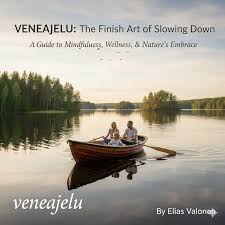
Veneajelu, a Finnish term meaning “boat trip” or “boating excursion,” captures the essence of exploring waterways, lakes, and coastal regions by boat. In many Nordic countries, and particularly in Finland, boating is more than a leisure activity—it is a cultural experience intertwined with nature, family traditions, and outdoor recreation. Veneajelu provides opportunities for relaxation, adventure, and a connection with the natural world, from tranquil lakeside cruises to high-speed river adventures. Beyond leisure, veneajelu has ecological, economic, and social significance, supporting tourism, local communities, and sustainable interaction with water ecosystems. This article offers an in-depth exploration of veneajelu, covering its historical roots, cultural importance, practical considerations, popular destinations, types of boating experiences, safety tips, environmental considerations, and strategies to enhance the enjoyment of boat trips. By understanding veneajelu, readers can appreciate the multifaceted appeal of boating excursions and the unique experiences they offer.
1. Understanding Veneajelu: Concept and Cultural Significance
Veneajelu is more than simply traveling by water—it embodies a lifestyle and a set of cultural practices centered on leisure, adventure, and communion with nature. In Finland and other Nordic regions, the abundance of lakes, rivers, and coastal waters has fostered a deep connection between people and boating. Families, friends, and tourists alike embrace veneajelu as a means of relaxation, exploration, and outdoor recreation.
Culturally, veneajelu reflects traditions of summer cottages, fishing trips, and wildlife observation. It is a way to escape urban life, appreciate natural beauty, and participate in longstanding social customs. The experience of veneajelu often includes not only the journey but also activities like swimming, fishing, hiking along riverbanks, and picnicking. In this sense, veneajelu represents an intersection of recreation, cultural heritage, and social bonding.
2. Historical Background of Veneajelu
The practice of veneajelu has deep historical roots. Waterways historically served as vital transportation routes for trade, communication, and settlement. In Finland, lakes and rivers facilitated commerce, enabled access to remote villages, and played a role in the movement of goods and people. Boats evolved from simple wooden rowboats to modern motorized vessels, reflecting technological progress and changing lifestyles.
Today, veneajelu is primarily recreational, but historical influences remain evident in traditional boat designs, local festivals, and cultural practices. Understanding the history of veneajelu provides context for its continued popularity and significance in Nordic and global boating culture.
3. Types of Veneajelu Experiences
Veneajelu encompasses a variety of experiences, catering to different preferences and levels of adventure.
3.1 Leisure Cruises
Leisure cruises involve slow-paced travel along lakes, rivers, or coastal areas, emphasizing relaxation, sightseeing, and enjoyment of the surrounding natural environment. They are ideal for families, tourists, and individuals seeking calm and restorative experiences.
3.2 Fishing Excursions
Fishing is a popular activity during veneajelu. Specialized fishing boats or standard leisure vessels can be used for catching freshwater or saltwater fish. These trips combine sport, relaxation, and interaction with nature, appealing to both amateur and experienced anglers.
3.3 Adventure and High-Speed Boating
Adventure boating involves faster vessels, often with the use of speedboats, jet skis, or sailboats. These experiences cater to thrill-seekers and those who enjoy dynamic, action-packed water travel. Safety precautions and training are crucial in this type of veneajelu.
3.4 Wildlife and Nature Observation
Veneajelu provides unique opportunities to observe wildlife in natural habitats. Birdwatching, spotting aquatic animals, and exploring secluded areas allow enthusiasts to connect with the environment in ways not possible on land.
3.5 Long-Distance Excursions
Some veneajelu trips extend over multiple days, including overnight stays on boats or at lakeside cottages. These excursions offer immersive experiences, allowing travelers to fully engage with water-based lifestyles and natural surroundings.
4. Popular Destinations for Veneajelu
The appeal of veneajelu is amplified by the variety of scenic destinations available:
-
Finnish Lakelands: With thousands of interconnected lakes, this region offers ideal opportunities for both leisurely and adventurous boating.
-
Archipelago Sea: Coastal islands provide breathtaking scenery, unique wildlife, and sheltered waters perfect for boating.
-
Rivers and Canals: European rivers and canal systems offer both recreational and historical experiences, combining scenic cruising with cultural exploration.
-
International Coastal Areas: Locations around the Baltic Sea, Scandinavia, and Northern Europe offer diverse environments for veneajelu, including fjords, bays, and protected marine parks.
Each destination provides distinct experiences, from serene landscapes to adrenaline-fueled water adventures.
5. Practical Considerations for Veneajelu
5.1 Choosing the Right Boat
Selecting the appropriate vessel is essential for safety, comfort, and enjoyment. Options range from small rowboats to motorized yachts, with each type suited to specific water conditions, group sizes, and activities.
5.2 Navigational Skills
Knowledge of navigation, local water regulations, and safety protocols is crucial. Maps, GPS systems, and weather monitoring tools enhance safety and ensure a smooth boating experience.
5.3 Weather and Seasonal Awareness
Weather conditions significantly impact veneajelu. Summer months often offer calm waters and favorable temperatures, while autumn or winter trips may require special equipment, warm clothing, and advanced planning to handle cold or rough conditions.
5.4 Safety Precautions
Life jackets, emergency kits, and communication devices are mandatory for all boating excursions. Awareness of potential hazards, such as sudden storms, underwater obstacles, or strong currents, is critical for minimizing risks.
5.5 Environmental Responsibility
Boaters must adhere to sustainable practices to protect aquatic ecosystems. Proper disposal of waste, avoidance of disturbing wildlife, and careful fuel management help preserve the natural beauty and health of waterways.
6. Health and Recreational Benefits of Veneajelu
Veneajelu offers numerous physical, mental, and social benefits:
-
Physical Fitness: Rowing, paddling, or even maintaining balance on a moving boat engages muscles and promotes cardiovascular health.
-
Mental Relaxation: The calming effect of water, fresh air, and natural surroundings reduces stress and promotes mental well-being.
-
Social Interaction: Boating with family, friends, or community groups strengthens relationships and fosters shared experiences.
-
Connection to Nature: Regular exposure to natural environments encourages mindfulness, environmental awareness, and sustainable behaviors.
By combining exercise, relaxation, and social interaction, veneajelu promotes holistic health and quality of life.
7. Environmental and Ecological Considerations
Sustainable veneajelu practices are essential to protect water ecosystems:
-
Avoid overuse of sensitive areas.
-
Minimize noise pollution to reduce disturbance to wildlife.
-
Use eco-friendly fuels and equipment.
-
Follow local regulations for fishing, boating, and protected areas.
Responsible veneajelu balances enjoyment with conservation, ensuring that waterways remain pristine for future generations.
8. Organizing a Successful Veneajelu Trip
8.1 Planning and Preparation
Effective planning includes choosing the route, destination, type of boat, and schedule. Consider the duration, weather conditions, and required permits.
8.2 Packing Essentials
Essential items include life jackets, weather-appropriate clothing, food and water, navigation tools, first aid kits, and entertainment items for longer trips.
8.3 Engaging Activities
Fishing, swimming, photography, wildlife observation, and hiking along shores enhance the overall veneajelu experience. Creating a balance between relaxation and adventure ensures a fulfilling trip.
8.4 Group Coordination
If boating with multiple participants, assigning roles, setting rules, and maintaining communication ensures safety, cooperation, and enjoyment for all members.
Frequently Asked Questions (FAQ)
1. What is veneajelu?
Veneajelu is a Finnish term for boat trips or boating excursions, often associated with leisure, adventure, and nature exploration.
2. Where is veneajelu most popular?
It is most popular in Finland, the Nordic countries, and regions with abundant lakes, rivers, or coastal waters.
3. Do I need experience to enjoy veneajelu?
While experience enhances safety and navigation, beginners can enjoy veneajelu with guided tours, rentals, or proper instruction.
4. What are the best seasons for veneajelu?
Summer months are ideal due to calm waters and warmer weather, but some destinations allow for year-round boating with the right equipment.
5. Is veneajelu safe?
Yes, provided safety protocols, life jackets, navigation tools, and environmental awareness are followed.
6. Can veneajelu be combined with other activities?
Yes, activities like fishing, swimming, wildlife observation, and photography are commonly combined with boating excursions.
Conclusion
Veneajelu represents the rich intersection of recreation, culture, and nature. From historical roots in Nordic transportation to contemporary leisure and adventure experiences, boat trips provide opportunities for relaxation, exploration, social connection, and environmental engagement. Whether through tranquil lake cruises, high-speed adventures, or immersive wildlife observation, veneajelu offers unique experiences that enrich physical, mental, and social well-being.
By planning carefully, adhering to safety guidelines, and practicing environmental responsibility, boaters can maximize the enjoyment and sustainability of veneajelu. Its appeal lies not only in movement across water but in the holistic experiences it fosters—connection with nature, shared memories with companions, and appreciation for cultural traditions. Ultimately, veneajelu is more than a pastime; it is a gateway to adventure, relaxation, and meaningful engagement with the natural world.
