
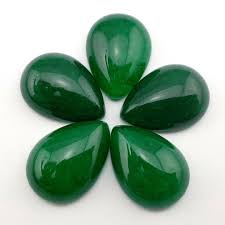
Jadeitový kameň, known globally as jade, is a gemstone of immense cultural, historical, and aesthetic significance. Revered for centuries in civilizations across Asia, Central America, and beyond, jade has been used in art, jewelry, spiritual practices, and as a symbol of power and wisdom. Its deep, lustrous green hues and intricate textures have captivated human fascination, making it one of the most sought-after stones in the world. More than just a decorative item, jadeitový kameň carries profound symbolic meanings related to purity, protection, longevity, and balance, making it both a spiritual and material treasure.
The importance of jade extends beyond its beauty. It represents cultural heritage, craftsmanship, and the intricate relationship between humans and the natural world. Today, jade continues to be valued for its therapeutic properties, metaphysical benefits, and as a symbol of status and refinement. This article delves into the world of jadeitový kameň, exploring its geological formation, historical significance, cultural applications, physical and metaphysical properties, modern uses, challenges, and future potential. By understanding jade in depth, readers gain insight into a gemstone that has fascinated humanity for millennia.
Geological Formation and Characteristics
Jadeitový kameň is primarily composed of the mineral jadeite, a pyroxene silicate known for its exceptional hardness and dense crystalline structure. Unlike other gemstones, jade is not formed in typical gemstone veins but develops under high-pressure, low-temperature conditions, often deep within subduction zones of the Earth’s crust. This unique geological formation contributes to its toughness, durability, and remarkable polishability, which allows artisans to create intricate carvings and ornaments without the stone fracturing easily.
Jadeitový kameň occurs in a range of colors, from deep emerald green to pale green, lavender, white, and even reddish hues. The most prized variety, known as “imperial jade,” features a vivid green color with translucency and smooth texture. Its texture ranges from granular to fine, often affecting both its aesthetic appeal and market value. The combination of hardness, toughness, and visual beauty makes jade a unique gemstone that is both functional and ornamental.
Historical Significance of Jade
Jadeitový kameň has played a vital role in human history for thousands of years. In ancient China, jade was considered the “Stone of Heaven,” symbolizing virtue, immortality, and moral integrity. It was used to craft ceremonial objects, burial suits, and jewelry for emperors and nobility, reflecting its sacred status and societal importance. Similarly, the Olmecs, Mayans, and other Central American civilizations prized jade for ceremonial artifacts, masks, and tools, believing it had spiritual and protective properties.
Throughout history, jade has not only been a symbol of wealth but also a medium for artistic expression. Ancient artisans developed specialized techniques to carve detailed figurines, amulets, and ritual objects, demonstrating both technical skill and spiritual reverence. The historical significance of jadeitový kameň continues to influence modern perceptions, emphasizing its status as a gemstone deeply entwined with culture, spirituality, and human achievement.
Cultural and Spiritual Applications
The cultural applications of jadeitový kameň extend far beyond decoration. In many cultures, jade is believed to carry protective, healing, and energy-balancing properties. In Chinese culture, jade is used in feng shui practices to harmonize energy in homes, workplaces, and personal lives. Wearing jade is thought to bring good fortune, longevity, and protection from negative influences.
In Mesoamerican traditions, jade was often associated with life, fertility, and the afterlife. Jade amulets and ritual objects were believed to connect individuals to spiritual realms, providing guidance and protection. Today, jade continues to be used in spiritual and holistic practices, including meditation, energy healing, and chakra balancing, showcasing its enduring metaphysical significance alongside its physical beauty.
Physical Properties and Care
Jadeitový kameň is known for its exceptional toughness, which makes it resistant to breaking and suitable for intricate carving. Despite its hardness, jade can be scratched by harder minerals like corundum, so care must be taken when handling or storing jade jewelry or ornaments. Regular cleaning using mild soap, lukewarm water, and a soft cloth is recommended, avoiding harsh chemicals that may damage its surface or reduce its luster.
The physical beauty of jade is enhanced by its natural polish, translucency, and vibrant color. High-quality jade exhibits a smooth, waxy texture and subtle variations in hue that reflect light in captivating ways. Proper care ensures that jadeitový kameň retains its visual appeal and continues to provide both aesthetic and symbolic value for generations.
Modern Uses of Jadeitový Kameň
Today, jadeitový kameň is used in jewelry, ornamental carvings, luxury watches, decorative art, and holistic wellness tools. Its unique combination of durability and beauty makes it a preferred material for necklaces, bracelets, rings, pendants, and earrings. Jade carvings, ranging from intricate statues to simple talismans, are highly valued by collectors and art enthusiasts.
Beyond ornamental use, jade is embraced in alternative healing and wellness practices. Jade rollers, gua sha tools, and other therapeutic items are popular for promoting circulation, reducing inflammation, and supporting skin health. The gemstone’s integration into both aesthetic and wellness practices demonstrates its versatility and enduring cultural relevance in modern life.
Challenges and Ethical Considerations
Despite its beauty and historical importance, the jade market faces challenges related to sourcing, authenticity, and environmental impact. High-quality jadeite is relatively rare, often leading to unethical mining practices and illegal trade in some regions. Counterfeit jade and treated stones further complicate the market, requiring buyers to be vigilant and informed.
Ethical sourcing, responsible mining, and verification of authenticity are critical for preserving the reputation and value of jadeitový kameň. Reputable suppliers, certification processes, and awareness of environmental and social impacts ensure that jade continues to be a sustainable and ethically treasured gemstone.
Future Potential and Cultural Legacy
The future of jadeitový kameň lies in its continued appreciation as a cultural, artistic, and spiritual asset. Emerging technologies in gemstone certification, imaging, and treatments enhance transparency, allowing buyers to make informed decisions. Globalization and cultural exchange ensure that jade continues to inspire artists, designers, and spiritual practitioners worldwide.
As interest in holistic wellness and sustainable luxury grows, jadeitový kameň is poised to maintain its prominence as both a decorative and symbolic material. Its cultural legacy, combined with modern innovations, ensures that jade will remain an integral part of human history, artistry, and spirituality for generations to come.
Conclusion
Jadeitový kameň is more than just a gemstone; it is a symbol of cultural heritage, spiritual significance, and artistic excellence. From its geological formation to its historical and modern applications, jade has fascinated and inspired humanity for millennia. Its physical beauty, toughness, and symbolic meanings make it a unique gemstone valued in jewelry, art, spiritual practices, and wellness.
While challenges related to sourcing, authenticity, and environmental impact exist, responsible practices and ethical considerations can preserve its legacy. The future of jadeitový kameň is bright, with continued relevance in art, culture, and holistic wellness. As a stone that embodies beauty, symbolism, and resilience, jadeitový kameň will remain a treasured gemstone and cultural icon for generations.
Frequently Asked Questions (FAQ)
What is jadeitový kameň?
Jadeitový kameň is a gemstone known as jade, valued for its beauty, toughness, and cultural significance.
Why is jadeitový kameň important?
It is important due to its historical, cultural, and spiritual significance, as well as its use in art, jewelry, and wellness practices.
Where is jadeitový kameň found?
High-quality jadeite is primarily found in Myanmar, with deposits also present in Guatemala, Japan, and Central Asia.
How should jadeitový kameň be cared for?
Jade should be cleaned gently with mild soap and water, avoiding harsh chemicals, and stored carefully to prevent scratches or damage.
What is the future potential of jadeitový kameň?
Its future potential lies in sustainable sourcing, ethical trade, continued use in jewelry and art, and integration into holistic wellness practices worldwide.
