
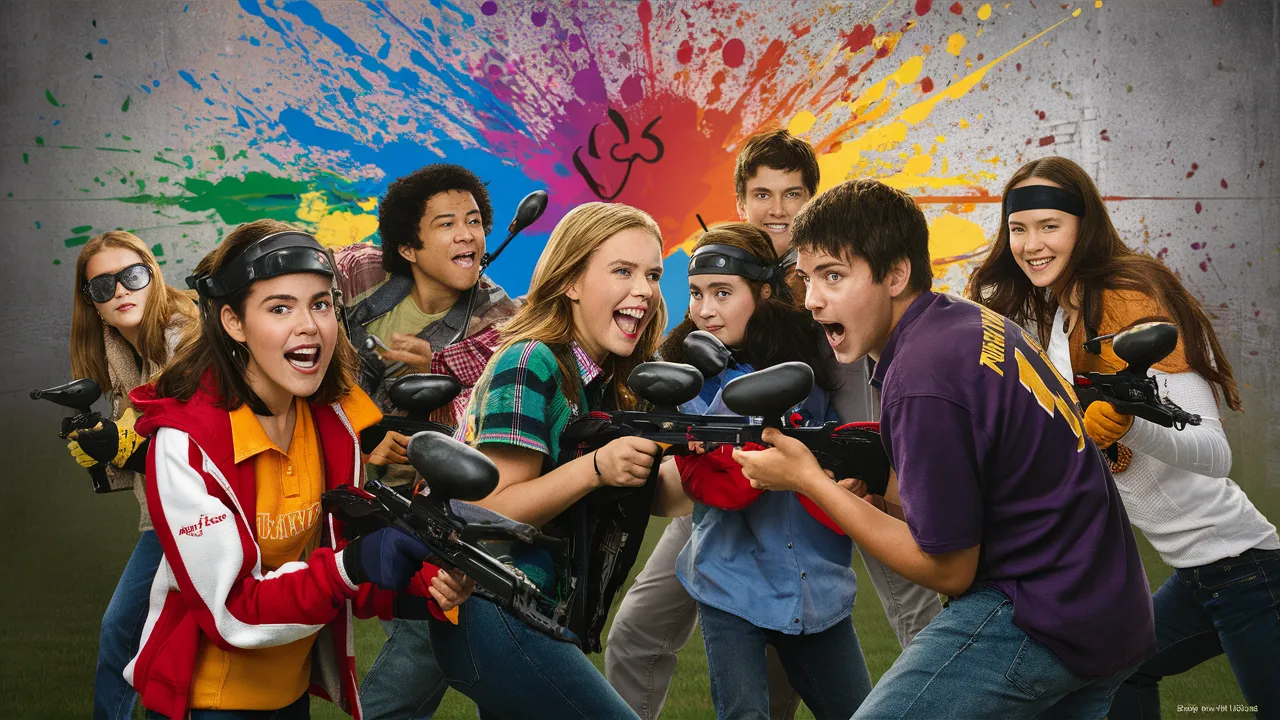
Few teen romantic comedies have remained as beloved and culturally relevant as 10 Things I Hate About You. Released in 1999, the film quickly became a defining movie of its generation thanks to its witty dialogue, unforgettable soundtrack, emotional storytelling, and remarkable performances by Heath Ledger and Julia Stiles. While the movie contains countless memorable scenes, one moment continues to stand out among fans decades later — the famous paintball scene.
The paintball sequence is far more than a simple fun date between two characters. It represents a turning point in the emotional relationship between Kat Stratford and Patrick Verona. The scene combines romance, vulnerability, humor, excitement, and visual symbolism in a way that perfectly captures the spirit of late 1990s teen cinema. Even today, audiences continue searching for the “10 Things I Hate About You paintball scene” because it remains one of the most iconic romantic comedy moments ever filmed.
In this detailed guide, we explore why the paintball scene became legendary, how it shaped the movie’s emotional arc, the symbolism hidden within the sequence, and why modern audiences still connect deeply with it more than twenty years later.
The Importance of the Paintball Scene in the Movie
A Turning Point in Kat and Patrick’s Relationship
Before the paintball sequence, Kat Stratford is portrayed as guarded, skeptical, and emotionally distant. Patrick Verona, meanwhile, hides his softer personality beneath a rebellious and mysterious exterior. Their relationship develops slowly through sarcasm, intellectual conversations, and emotional tension. The paintball scene changes everything because it allows both characters to temporarily lower their emotional defenses.
During the sequence, viewers witness genuine laughter, spontaneity, and connection between Kat and Patrick. The playful competition creates chemistry that feels natural rather than forced. Unlike traditional romantic comedy scenes that rely heavily on dramatic dialogue, this moment succeeds because it feels authentic and emotionally believable.
The scene gives audiences a chance to see Kat enjoying herself without fear of judgment. At the same time, Patrick reveals a playful and caring side rarely shown earlier in the movie. This emotional shift becomes essential to the story’s progression and deepens audience investment in the romance.
Why the Paintball Scene Became So Iconic
Perfect Blend of Romance and Fun
One major reason the paintball scene remains unforgettable is its balance between romance and excitement. Many romantic films rely on overly serious emotional moments, but this sequence captures youthful energy and unpredictability. Paintball itself symbolizes competition, adventure, and emotional release, making it the perfect activity for two strong personalities like Kat and Patrick.
The colorful paint explosions, energetic pacing, and playful teasing create visual excitement while simultaneously strengthening emotional intimacy. This combination helped the scene stand apart from other teen romance movies of the era.
Outstanding Chemistry Between Heath Ledger and Julia Stiles
The incredible chemistry between Heath Ledger and Julia Stiles elevates the paintball scene to another level. Their performances feel effortless, natural, and emotionally sincere. Ledger’s charisma combined with Stiles’ sharp wit creates a dynamic that audiences instantly connect with.
Throughout the scene, subtle facial expressions, eye contact, laughter, and body language communicate emotional development more effectively than dialogue alone. This authenticity explains why viewers continue revisiting the scene decades after the film’s release.
Many fans consider their on-screen relationship one of the greatest pairings in teen romantic comedy history.
The Symbolism Behind the Paintball Scene
Breaking Emotional Walls
Paintball is not merely an entertaining activity in the film. Symbolically, it represents breaking emotional barriers and confronting vulnerability. Both Kat and Patrick spend much of the movie protecting themselves emotionally. The chaotic and playful environment of paintball allows them to temporarily abandon those defenses.
The bright paint splatters symbolize emotional exposure. By participating together, the characters begin trusting one another in ways they previously resisted.
Freedom and Rebellion
The paintball sequence also reflects the rebellious spirit central to the movie’s themes. Kat rejects social expectations, while Patrick lives outside traditional school hierarchies. The unconventional date mirrors their personalities perfectly.
Unlike stereotypical romantic settings such as candlelit dinners or school dances, the paintball field represents freedom, individuality, and nonconformity. This originality helped the scene become memorable among audiences tired of predictable romantic movie formulas.
How the Scene Influenced Teen Romantic Comedies
Redefining Teen Movie Romance
Before 10 Things I Hate About You, many teen romantic comedies followed repetitive storytelling patterns. The paintball scene introduced a more modern and emotionally realistic style of romance. Rather than relying solely on grand declarations of love, the film emphasized genuine connection through shared experiences.
This approach influenced countless teen films released afterward. Many later romantic comedies attempted to recreate the balance of humor, emotional vulnerability, and playful chemistry that made the paintball scene so successful.
A Scene That Defined Late 1990s Cinema
The paintball sequence perfectly captures the aesthetic and emotional atmosphere of late 1990s teen movies. The casual fashion, alternative soundtrack, rebellious attitude, and emotional sincerity all reflect the era’s cultural identity.
For many viewers, the scene represents nostalgia for a period when teen movies felt emotionally authentic and creatively unique. Modern audiences continue rediscovering the movie because it offers timeless emotional storytelling despite its distinctly 1990s style.
The Role of Music During the Paintball Scene
How Soundtrack Elevated the Emotion
Music plays a massive role in making the paintball sequence memorable. Like many scenes in the movie, the soundtrack enhances emotional intensity and energy. The carefully selected music creates rhythm and excitement while reinforcing the emotional bond developing between the characters.
Teen movies from the late 1990s often relied heavily on music to establish mood, but 10 Things I Hate About You used its soundtrack more effectively than most competitors. The paintball scene remains a perfect example of visual storytelling and music working together seamlessly.
Why Fans Still Love the Paintball Scene Today
Relatable Emotional Vulnerability
Modern audiences continue loving the scene because the emotions feel genuine. Kat and Patrick are flawed, complicated, and emotionally cautious characters. Their relationship develops through awkwardness, humor, and gradual trust instead of unrealistic perfection.
This authenticity allows viewers from different generations to relate to the characters emotionally.
Timeless Romantic Energy
Despite changing movie trends, the paintball scene still feels fresh because it captures universal emotions:
- Excitement
- Attraction
- Vulnerability
- Playfulness
- Emotional connection
These themes remain timeless regardless of cultural or generational changes.
Behind the Legacy of 10 Things I Hate About You
A Film That Continues to Inspire
More than two decades after its release, 10 Things I Hate About You remains one of the most influential teen romantic comedies ever made. The paintball scene plays a major role in the movie’s enduring popularity because it represents everything audiences love about the film:
- Emotional honesty
- Strong character chemistry
- Humor
- Romance
- Memorable visuals
The movie continues attracting new fans through streaming platforms, social media discussions, and nostalgic appreciation for classic teen cinema.
Conclusion
The 10 Things I Hate About You paintball scene remains iconic because it perfectly balances romance, humor, symbolism, and emotional authenticity. What could have been a simple entertaining sequence instead became one of the most memorable moments in teen movie history.
Through outstanding performances from Heath Ledger and Julia Stiles, the scene captures the excitement and vulnerability of falling in love while staying true to the rebellious personalities of the characters. Its emotional realism, visual creativity, and timeless chemistry continue resonating with audiences around the world.
Even decades later, fans still celebrate the paintball scene because it represents the very best qualities of romantic comedy storytelling. It is playful without being shallow, emotional without becoming overly dramatic, and memorable without feeling artificial. Few teen movie scenes have achieved this level of cultural impact, which is why the paintball sequence remains legendary in cinematic history.
FAQ About 10 Things I Hate About You Paintball Scene
Why is the paintball scene so famous?
The paintball scene became famous because of the incredible chemistry between Heath Ledger and Julia Stiles, combined with emotional storytelling and playful romance.
What does the paintball scene symbolize?
The scene symbolizes emotional vulnerability, trust, freedom, and breaking down emotional walls between Kat and Patrick.
Who stars in 10 Things I Hate About You?
The film stars Heath Ledger, Julia Stiles, Joseph Gordon-Levitt, and Larisa Oleynik.
Why do fans still love the movie today?
Fans continue loving the movie because of its authentic characters, timeless romance, witty dialogue, and emotionally relatable storytelling.
Is the paintball scene considered iconic in teen cinema?
Yes, many critics and fans consider it one of the most iconic romantic comedy scenes ever created.
What makes Kat and Patrick’s relationship special?
Their relationship feels emotionally realistic because both characters are flawed, independent, and emotionally guarded, making their connection feel genuine.
