
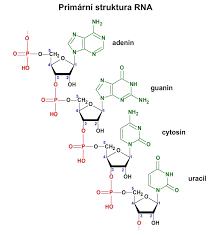
In the realm of molecular biology, nukleotidy—known in English as nucleotides—serve as the fundamental building blocks of nucleic acids such as DNA and RNA. These small molecules are central to the storage, transmission, and expression of genetic information, making them essential for all forms of life. Beyond their structural role, nucleotides participate in crucial biochemical processes, including energy transfer, cellular signaling, and enzymatic reactions. A nucleotide is composed of three main components: a nitrogenous base, a five-carbon sugar, and one or more phosphate groups. Understanding nukleotidy is not only critical for grasping the mechanisms of genetics and molecular biology but also for advancements in medicine, biotechnology, and genetic engineering. This article provides an in-depth exploration of nukleotidy, covering their structure, types, functions, synthesis, metabolism, role in health and disease, applications in research, and future developments in biotechnology.
1. Structure of Nukleotidy
Nukleotidy have a distinctive structure that allows them to fulfill multiple biological roles:
-
Nitrogenous Base: The base can be a purine (adenine or guanine) or a pyrimidine (cytosine, thymine in DNA, uracil in RNA). These bases enable the encoding of genetic information through specific pairing.
-
Pentose Sugar: DNA contains deoxyribose, whereas RNA contains ribose. The sugar molecule provides the backbone to which the phosphate group and base attach.
-
Phosphate Group(s): One, two, or three phosphate groups attach to the sugar, forming nucleoside monophosphates, diphosphates, or triphosphates. These groups play a critical role in energy storage and transfer.
The combination of these components forms the nucleotide, which can polymerize to create the long chains of DNA or RNA, establishing the framework for genetic information.
2. Types of Nukleotidy
Nukleotidy are classified based on their nitrogenous bases and their functional roles:
-
DNA Nucleotides: Include adenine (A), guanine (G), cytosine (C), and thymine (T).
-
RNA Nucleotides: Include adenine (A), guanine (G), cytosine (C), and uracil (U).
-
Energy-Related Nucleotides: Such as adenosine triphosphate (ATP), which stores and transfers energy within the cell.
-
Signaling Nucleotides: Examples include cyclic AMP (cAMP) and cyclic GMP (cGMP), which act as secondary messengers in intracellular signaling pathways.
-
Cofactor Nucleotides: Nicotinamide adenine dinucleotide (NAD+) and flavin adenine dinucleotide (FAD) participate in redox reactions and metabolic pathways.
Understanding the types of nucleotides and their specific roles is essential for studying molecular biology, metabolism, and cellular communication.
3. Functions of Nukleotidy in Cellular Processes
Nukleotidy serve a wide range of functions within living organisms:
-
Genetic Information Storage and Transmission: DNA nucleotides form double-stranded helices that store hereditary information. RNA nucleotides transcribe and translate genetic instructions to synthesize proteins.
-
Energy Transfer: ATP and GTP provide energy for biochemical reactions, molecular transport, and signal transduction.
-
Cell Signaling: Cyclic nucleotides, such as cAMP, regulate enzymatic activity, gene expression, and response to extracellular signals.
-
Enzymatic Cofactors: NAD+, FAD, and coenzyme A are nucleotide-derived molecules essential for metabolic reactions, including cellular respiration and fatty acid metabolism.
Through these functions, nukleotidy are indispensable for life processes, from maintaining cellular structure to facilitating complex metabolic networks.
4. Synthesis of Nukleotidy
Nukleotidy can be synthesized by cells through two main pathways:
-
De Novo Synthesis: Cells produce nucleotides from basic building blocks such as amino acids, carbon dioxide, and ribose-5-phosphate. This pathway ensures a supply of nucleotides for DNA and RNA synthesis, particularly during rapid cell growth.
-
Salvage Pathway: Recycles free bases and nucleosides from degraded nucleic acids to form new nucleotides. This pathway is energetically efficient and critical in tissues with high turnover rates, such as the liver and bone marrow.
Both synthesis pathways are tightly regulated to maintain nucleotide pool balance, preventing excess or deficiency that could compromise DNA replication and repair.
5. Metabolism and Degradation of Nukleotidy
Nucleotide metabolism involves the degradation and recycling of nucleotides to sustain cellular homeostasis:
-
Catabolism: Nucleotides are broken down into nucleosides and free bases, which can be further degraded to uric acid or other excretory products.
-
Salvage and Reuse: Recycled nucleotides are reincorporated into DNA and RNA synthesis.
-
Regulation: Feedback mechanisms control enzyme activity to prevent imbalances in nucleotide levels, which could lead to mutations or impaired cellular functions.
Disruptions in nucleotide metabolism can result in metabolic disorders, highlighting the importance of precise regulation.
6. Role of Nukleotidy in Health and Disease
Proper nucleotide function is essential for health, while abnormalities can lead to disease:
-
Genetic Disorders: Mutations in enzymes involved in nucleotide metabolism can cause conditions like Lesch-Nyhan syndrome or immunodeficiencies.
-
Cancer: Abnormal nucleotide synthesis and metabolism contribute to rapid cell proliferation in cancerous tissues.
-
Viral Infections: Nucleotides are targets for antiviral drugs that inhibit viral replication by mimicking natural nucleotides.
-
Cardiovascular and Metabolic Health: Nucleotides influence energy metabolism and cellular signaling pathways critical for organ function.
Studying nucleotides provides insight into disease mechanisms and opportunities for therapeutic intervention.
7. Applications of Nukleotidy in Biotechnology and Medicine
Nukleotidy are not only fundamental biological molecules but also invaluable in applied sciences:
-
Genetic Engineering: Synthetic nucleotides enable manipulation of DNA and RNA for gene therapy and research.
-
Pharmaceuticals: Nucleotide analogs are used as antiviral, anticancer, and immunosuppressive drugs.
-
Diagnostic Tools: Nucleotides form the basis of PCR, sequencing, and other molecular biology assays.
-
Synthetic Biology: Modified nucleotides are used to design novel molecules and metabolic pathways for industrial and therapeutic applications.
These applications underscore the versatility and importance of nucleotides in modern science.
8. Future Perspectives and Research
Ongoing research into nukleotidy explores novel applications and deeper biological understanding:
-
Artificial Nucleotides: Designing nucleotides with new properties for synthetic biology, biotechnology, and nanotechnology.
-
Targeted Therapies: Using nucleotide analogs to selectively inhibit disease pathways.
-
Gene Editing: Advanced nucleotide-based tools like CRISPR-Cas systems rely on understanding nucleotide interactions and functions.
-
Metabolic Engineering: Modifying nucleotide pathways to enhance cellular production of bioactive compounds.
The study of nucleotides continues to drive innovation in medicine, biotechnology, and fundamental biology.
Frequently Asked Questions (FAQ)
1. What are nukleotidy?
Nukleotidy, or nucleotides, are the building blocks of nucleic acids (DNA and RNA) composed of a nitrogenous base, a sugar, and one or more phosphate groups.
2. What is the difference between DNA and RNA nucleotides?
DNA nucleotides contain deoxyribose sugar and the bases adenine, guanine, cytosine, and thymine. RNA nucleotides contain ribose sugar and uracil instead of thymine.
3. What role do nucleotides play in energy transfer?
Nucleotides like ATP and GTP store and transfer energy for cellular processes, acting as molecular energy currency.
4. How are nucleotides synthesized?
Cells synthesize nucleotides through de novo pathways (from basic molecules) and salvage pathways (recycling existing bases and nucleosides).
5. Why are nucleotides important in medicine?
Nucleotides and their analogs are used in antiviral, anticancer, and gene therapy applications, as well as molecular diagnostics and research.
Conclusion
Nukleotidy are fundamental to life, serving as the structural and functional units of DNA and RNA while playing critical roles in energy transfer, signaling, and enzymatic reactions. Their synthesis, metabolism, and regulation are vital for cellular health, and abnormalities can lead to disease. Beyond their biological significance, nucleotides are indispensable in medicine, biotechnology, and molecular research, enabling gene editing, diagnostics, and therapeutic development. Ongoing advances in nucleotide research continue to expand our understanding of cellular processes and open new possibilities for scientific innovation. Mastery of nucleotides is not only essential for biology students and researchers but also forms the foundation for breakthroughs in medicine, biotechnology, and synthetic biology, illustrating their central role in both fundamental and applied science.
