
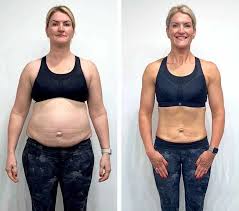
The term FUPA—an acronym for Fat Upper Pubic Area—has become increasingly common in health, fitness, and popular culture discussions. While often used humorously or casually in everyday conversations, FUPA also carries medical, psychological, and social implications. It refers to the accumulation of fat in the lower abdominal region, above the pubic bone and below the waistline, and can affect people of all genders. Beyond mere appearance, a FUPA can influence self-esteem, mobility, and even health outcomes. In this article, we explore the origins of the term, the anatomy behind it, the factors contributing to its development, methods for managing it, and the broader cultural context in which FUPA is discussed. By unpacking this topic with nuance, readers can gain a better understanding of both the biological and social dimensions of FUPA.
1. The Meaning and Origin of FUPA
FUPA stands for Fat Upper Pubic Area, describing a specific fat deposit that accumulates in the lower abdominal region. The term likely emerged from informal internet and pop culture conversations and gained popularity through social media platforms, memes, and body positivity discussions. While originally used in a humorous or derogatory manner, it has increasingly become part of health and fitness conversations, allowing people to discuss a common anatomical concern openly.
Anatomically, the FUPA sits above the pubic bone and below the belly button. Its prominence can vary depending on genetics, lifestyle, and body composition. While fat accumulation in this area is entirely natural, social pressures and cultural beauty standards often frame it as undesirable. Understanding the biological and social context behind FUPA is essential for addressing it thoughtfully.
2. Causes of FUPA
FUPA can develop for multiple reasons, including genetics, lifestyle, hormonal changes, and weight fluctuations. Genetics play a significant role in determining where fat deposits in the body; some individuals are predisposed to store fat in the lower abdomen or pubic region.
Lifestyle factors, such as diet and physical activity levels, also influence the size and prominence of the FUPA. Diets high in processed foods, sugars, and unhealthy fats can contribute to overall fat accumulation, including in the lower abdomen. Conversely, a sedentary lifestyle that lacks consistent exercise can make it more difficult for the body to metabolize fat in this area.
Hormonal changes, particularly those involving insulin, cortisol, and sex hormones, can also affect fat distribution. For example, pregnancy, menopause, or hormonal imbalances may lead to increased lower abdominal fat. Additionally, weight fluctuations—gaining and losing weight repeatedly—can cause the skin and fat in the pubic area to become more pronounced, sometimes leading to excess sagging or stretching.
3. Health Implications of FUPA
While FUPA is often discussed in aesthetic terms, it can also have health implications. Excess fat in the lower abdomen may increase the risk of metabolic issues, such as insulin resistance, type 2 diabetes, and cardiovascular problems, especially when accompanied by high overall body fat.
Beyond physical health, FUPA can also influence mental health and self-esteem. Social stigmas around body shape and size can lead to feelings of embarrassment, anxiety, or shame. Individuals with FUPA may avoid certain clothing styles, exercise settings, or intimate situations, impacting their overall quality of life. Understanding FUPA from both a physical and psychological perspective is crucial for addressing the condition holistically and promoting body positivity alongside health goals.
4. Strategies to Reduce or Manage FUPA
Reducing or managing FUPA requires a combination of diet, exercise, and lifestyle adjustments. Cardiovascular exercises such as running, swimming, cycling, and high-intensity interval training (HIIT) can help burn fat across the body, including the lower abdomen. Strength training exercises that target the core and lower abdominal muscles—such as planks, leg raises, and squats—can help tone the area and improve muscle definition.
Dietary adjustments are equally important. Reducing processed foods, added sugars, and trans fats while increasing protein, fiber, and whole foods can support fat loss. Staying hydrated, maintaining a consistent meal schedule, and avoiding excessive alcohol intake also contribute to managing fat accumulation.
In some cases, medical or surgical interventions may be considered. Procedures like liposuction or abdominoplasty (tummy tuck) can remove excess fat and skin in the pubic area. However, these procedures carry risks, require recovery time, and should be considered only after consulting a medical professional.
Lifestyle habits such as getting enough sleep, reducing stress, and managing hormonal imbalances can also support fat reduction. Stress elevates cortisol levels, which can lead to fat storage in the abdominal region, making stress management an important component of FUPA reduction.
5. FUPA and Body Positivity
While many view FUPA as a cosmetic concern, the rise of the body positivity movement has shifted discussions around self-acceptance. Advocates emphasize that FUPA, like other natural body features, is not inherently shameful. Social media campaigns and influencers have highlighted the importance of embracing one’s body, regardless of the presence of FUPA, and promoting health and wellness without succumbing to unrealistic beauty standards.
Understanding FUPA through a lens of self-care rather than self-criticism can help individuals develop a healthier relationship with their body. Celebrating diversity in body shapes while adopting balanced lifestyle choices represents a holistic approach that benefits both physical and mental health.
6. FUPA in Pop Culture and Media
FUPA has permeated internet culture, memes, and social media discussions. From humorous TikTok videos to viral memes, the term is often used playfully, but it also sparks debate about societal beauty expectations. Celebrities and influencers discussing their experiences with lower abdominal fat have helped normalize the conversation and reduce stigma.
Media representations, however, can be a double-edged sword. While humor can destigmatize the topic, it can also perpetuate negative stereotypes about body shape. Responsible discussions about FUPA involve combining light-hearted engagement with factual information about health, fitness, and self-acceptance.
7. Exercises Specifically Targeting the Lower Abdominal Area
Although spot reduction is largely considered a myth, certain exercises can strengthen the muscles under FUPA, improve appearance, and support overall fat loss. These exercises include:
-
Leg Raises: Lying on your back and raising your legs engages the lower abdominal muscles.
-
Plank Variations: Standard and side planks strengthen the core and improve posture.
-
Mountain Climbers: Combine cardio and core engagement for overall fat burn.
-
Bicycle Crunches: Target the lower and oblique abdominal muscles simultaneously.
Consistency is key, as combining these exercises with cardiovascular routines and a healthy diet provides the most effective results.
8. Medical Considerations Related to FUPA
FUPA is typically a cosmetic or aesthetic concern, but medical conditions can influence its development. For example, obesity, lipedema, and hormonal disorders can contribute to excess fat in the pubic region. In some cases, diastasis recti, common after pregnancy, can exaggerate the appearance of lower abdominal fat.
If FUPA causes discomfort, skin irritation, or hygiene challenges, consulting a healthcare professional is advisable. Medical evaluation ensures that underlying conditions are addressed and that safe, effective strategies for fat reduction or surgical options are considered.
9. FUPA, Gender, and Fat Distribution
FUPA affects both men and women, though fat distribution varies based on sex, genetics, and hormones. Women may experience FUPA due to hormonal changes related to menstruation, pregnancy, or menopause, while men may accumulate fat in the lower abdomen due to age-related metabolic changes or poor diet and exercise habits.
Understanding these gender-based differences helps in tailoring fitness routines, diet plans, and surgical considerations for effective management. Additionally, it highlights the need to normalize conversations about FUPA for all individuals, regardless of gender.
10. Psychological Implications and Social Perception
FUPA can affect body image and confidence, particularly in a culture that idealizes flat or toned abdomens. The psychological impact may include self-consciousness, social withdrawal, or anxiety about appearance.
Addressing these challenges requires mental health awareness, including counseling, positive self-talk, and participation in body-positive communities. Recognizing that FUPA is natural and common helps reduce shame and promotes healthier self-perception, emphasizing wellness rather than appearance alone.
FAQ
1. What does FUPA stand for?
FUPA stands for Fat Upper Pubic Area, describing fat accumulation above the pubic bone and below the waistline.
2. Can FUPA be reduced naturally?
Yes, through a combination of regular exercise, cardiovascular workouts, core strengthening, and a healthy diet.
3. Does FUPA affect health?
While often cosmetic, excess fat in the lower abdomen may contribute to metabolic issues if associated with overall obesity.
4. Is FUPA only a women’s issue?
No, both men and women can have FUPA. Fat distribution differs by sex, but it is a natural condition for all.
5. Are surgical options available for FUPA?
Yes, procedures like liposuction or abdominoplasty can remove excess fat or skin, but they carry medical risks and should be discussed with a qualified professional.
6. How can I accept my FUPA while managing it?
Emphasize body positivity, adopt healthy lifestyle habits, and focus on wellness rather than conforming to social pressure or appearance ideals.
Conclusion
FUPA is a natural and common fat distribution phenomenon that intersects biology, health, and social perception. While it often sparks humor or insecurity in popular culture, it is essential to approach it from a holistic perspective, addressing both physical health and mental well-being. By understanding the causes, implementing healthy lifestyle choices, and embracing body positivity, individuals can manage FUPA safely and confidently. Discussions surrounding FUPA should focus not only on aesthetics but also on self-acceptance, health, and informed choices, creating a more nuanced conversation around body diversity.
