
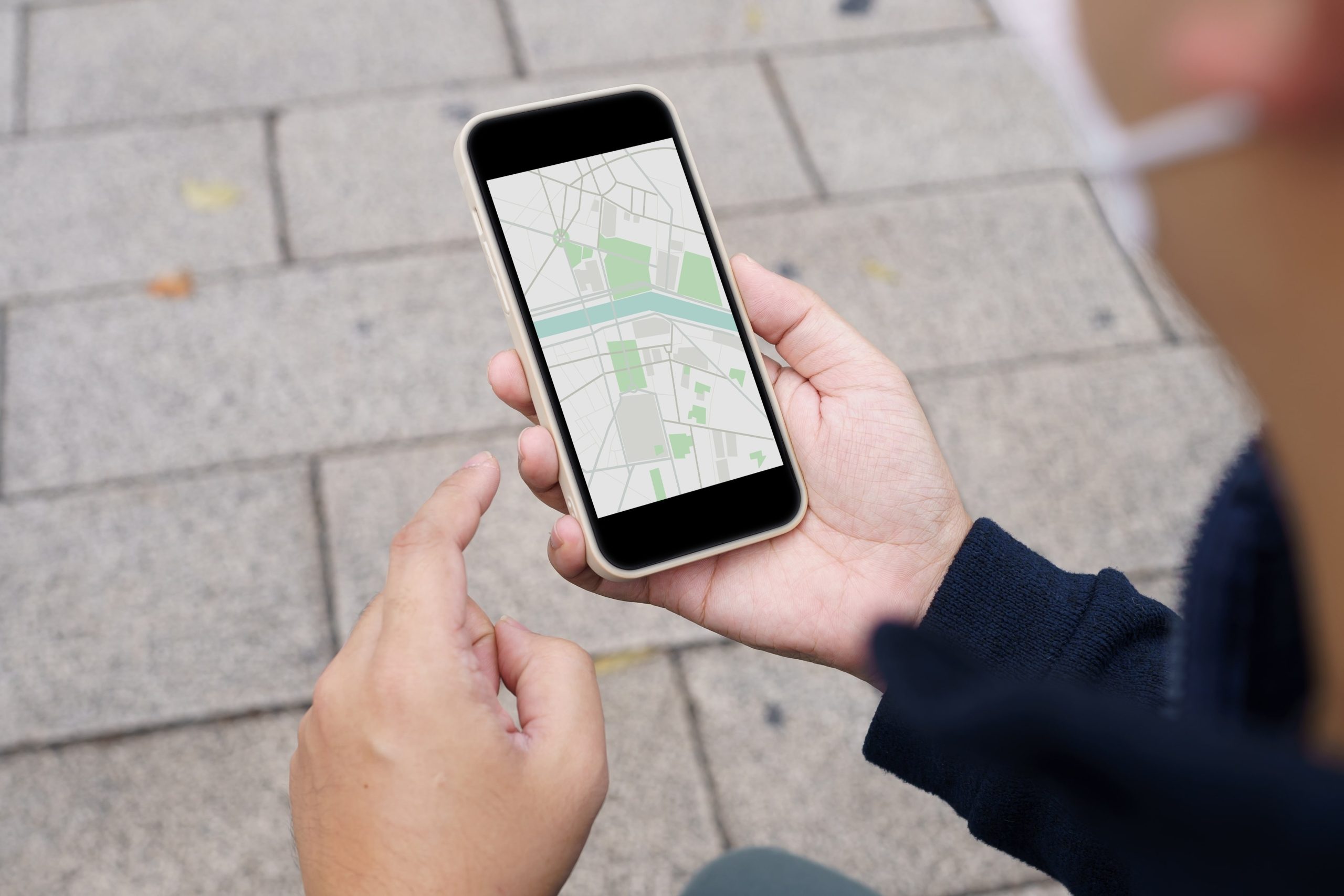
A Google Maps Scraper has become one of the most practical digital tools for companies that depend on local insights, customer targeting, and business listings. Whether someone runs a marketing agency, a startup, or an online service, accessing accurate and updated local information can dramatically improve decision making. This is why companies now rely on such tools to automate the extraction of business details directly from Google Maps.
A Google Maps Scraper helps gather contact info, website URLs, ratings, working hours, and location coordinates without the need for manual effort. Instead of spending countless hours collecting data one profile at a time, the process becomes smooth, structured, and extremely efficient. With the rising demand for location intelligence, this tool has become a strong asset for both small and large organizations.
Why Local Data Matters for Modern Businesses
Local data supports multiple business needs ranging from targeted sales outreach to competitor tracking. Companies often target customers based on city, area, or specific commercial clusters. With a reliable scraping process, they can collect thousands of relevant entries at once.
When a business uses a Google Maps data extractor for regular data collection, it gains consistent access to accurate contact lists. This helps in cold emailing, SMS outreach, paid ads refinement, and even offline marketing campaigns. Better information naturally leads to better decision making.
Local data also helps companies identify market gaps. For example, if a location has a large number of salons but very few men’s grooming shops, an entrepreneur can use this insight to launch a new service. With data extracted directly from Google Maps, these patterns become clearer and easier to evaluate.
How a Google Maps Scraper Works
A Google Maps Scraper functions by scanning the search results for specific categories, industries, or geographic areas. Once the input criteria are added, the tool scans every relevant listing visible on Google Maps and compiles the information into a clean file.
Users can collect essential details such as:
- Business name
• Phone number
• Website
• Ratings and reviews count
• Address
• Latitude and longitude
These details can be used to build CRM lists, analyze a market, or run geo-targeted marketing campaigns. Many marketers and researchers prefer this approach because it minimizes manual labor while increasing accuracy.
A Google Maps lead scraper is particularly useful for sales teams. Instead of buying outdated lists, they can build fresh data collections that match exact business categories and areas of operation. This improves lead quality and reduces bounce rates caused by incorrect information.
Industries That Benefit the Most
Nearly every industry can take advantage of location-based data, but a few stand out due to heavy reliance on local customers.
Marketing and Advertising Agencies
Agencies use Maps scraper software to collect business leads and offer promotions, social media management, or website services. Access to verified contact information helps them reach clients faster.
Real Estate and Property Services
Agents and consultants study commercial growth, nearby businesses, and market density using scraped business details. This helps in estimating property potential and building neighborhood insights.
Freelancers and Local Service Providers
Web designers, digital marketers, and photographers often use a Google Maps Scraper to find small businesses that need online services. It becomes easier to reach owners who are active in a specific zone.
Delivery and Logistics Companies
Logistics firms use location-based data scraper tools to map routes, calculate workload distribution, and evaluate the demand in different regions.
Market Researchers and Analysts
Researchers collect data to study competition, identify clustering patterns, and examine business behavior across locations.
Key Features to Look for in a Google Maps Scraper
Choosing the right scraping tool is important for consistent and accurate data collection. Although different tools provide different strengths, some factors make a Google Maps Scraper more reliable.
Speed and Accuracy
A powerful Google Maps data extractor should gather data quickly without compromising accuracy. Reliable extraction prevents errors caused by incomplete listings.
Bulk Scraping Capability
Businesses often require thousands of entries. A strong scraper must handle large volumes effortlessly so users can collect data for multiple cities or categories.
Easy Export Options
Tools that export data into CSV or Excel formats make it easier to upload information directly to CRM software or marketing platforms.
Regular Updates
Google Maps updates listings frequently. A high quality local business scraping tool must stay aligned with these changes to maintain stability.
User-Friendly Interface
Many users prefer simple dashboards. A clean interface saves time and allows beginners to scrape data without technical knowledge.
Customer Support and Community
Good support helps troubleshoot issues quickly, especially when dealing with huge data sets. Some tools even offer tutorials and automation tips.
If someone needs a reliable option, many marketers recommend https://scrapercity.com/google-maps-scraper because of its stability and clean output.
Practical Uses of a Google Maps Scraper
A Google Maps Scraper supports many practical business operations. Below are some of the most common and valuable applications.
Building Local Lead Databases
Businesses can quickly compile thousands of potential customers based on city, category, or niche. This helps in creating targeted outreach campaigns.
Competitor Analysis
Companies can evaluate competitor presence in specific areas by analyzing scraped data. This provides insights into business density and local market saturation.
Creating Location-Based Marketing Campaigns
With precise coordinates and contact details, companies can run mobile ads, geo-targeting campaigns, and personalized promotional strategies.
Market Expansion Planning
Brands looking to expand can identify areas with high or low business density. This helps them choose profitable zones for new branches.
Updating Internal Databases
Companies often keep outdated records. Scraped data helps refresh CRM entries with accurate phone numbers, websites, and business statuses.
Research for Startups
New entrepreneurs study successful businesses in a category before launching their own. This provides direction for planning and budgeting.
Challenges and Ethical Considerations
Although scraping is helpful, responsible usage is important. Users must avoid gathering sensitive personal information and should only scrape publicly available business data. Most Google Maps Scrapers follow these standards and focus only on business listings.
It is also important not to misuse the data for spamming. Professional outreach should always be respectful and targeted. When used properly, scraping becomes a powerful tool that supports fair business competition.
Conclusion
A Google Maps Scraper offers a strong advantage for businesses that rely on local insights and well-structured contact lists. By automating the process of collecting business information, companies can focus more on planning, marketing, and customer engagement. With accurate data, they can create better outreach campaigns, analyze competition, and improve growth strategies. This tool has become one of the smartest ways for companies to work efficiently and stay ahead in fast-moving markets.
